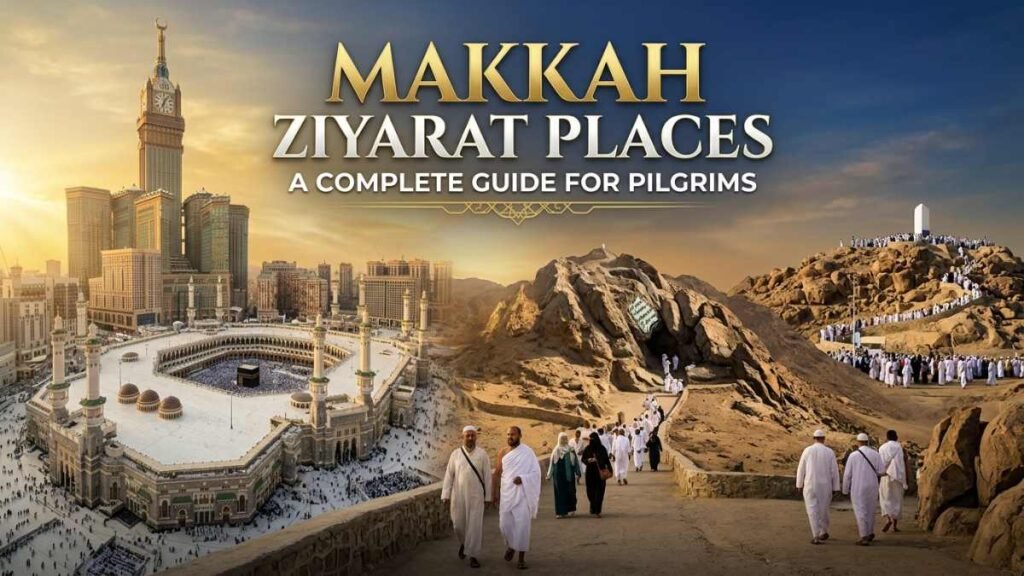
Planning a Hajj trip in Saudi Arabia can feel confusing, especially when you find long lists of famous Islamic sites to visit. Some places are linked to the main Hajj rituals, while others are known for their history and religious importance. If you’ve only got a few days in Makkah, or you’re traveling with children, older family members, or someone with limited mobility, knowing the difference can help you plan a more comfortable trip.
This guide covers some of the well-known places associated with Hajj and Islamic history. You’ll learn why each place matters, whether it’s part of the Hajj rituals, and what to consider before visiting. This can help you choose the places that fit your time, needs, and travel plans.
Makkah Ziyarat Places at a Glance
Makkah has many places linked to Islamic history and the Hajj journey. Some are important parts of Hajj, while others are visited to learn about the life of Prophet Muhammad (peace be upon him) and the early days of Islam. Knowing the difference can help you plan your ziyarat without rushing from one place to another.
The list below covers well-known places in and around Makkah. It’s a useful starting point, not a complete official list. The names and groups may differ between visitor guides.
As you read, keep these three points in mind:
- Hajj rite: A required act or an important part of the Hajj rites, such as standing at Arafat.
- Optional historical visit: A place you can visit to learn about Islamic history, but the visit itself isn’t a Hajj rite.
- Tradition or historical account: A place linked to a story or past event. Some details may need careful explanation.
Well-Known Hajj and Ziyarat Places in Makkah
| Place | Why It’s Important | Hajj Rite or Optional Visit? | What to Know Before Visiting |
| Cave Hira and Jabal al-Noor | Associated with the first revelation received by Prophet Muhammad (peace be upon him). | Optional historical visit. It’s not a Hajj requirement or recommended Hajj act. | The Saudi Ministry of Hajj and Umrah lists the cave at the top of Jabal al-Noor, about 4.8 km from Makkah. The mountain is around 634 metres high. Reaching the cave can be difficult, especially for older visitors and people who are unwell. |
| Cave Thawr and Jabal Thawr | Associated with the Hijrah, when the Prophet (peace be upon him) and Abu Bakr (may Allah be pleased with him) left Makkah. | Optional historical visit. | Reaching the cave can take a lot of physical effort. Check the route and access conditions before planning a climb. |
| Masjid Aisha at Al-Taneem | Known as a place connected with entering ihram for an additional Umrah from Makkah. | Related to Umrah arrangements, but sightseeing at the mosque isn’t a Hajj rite. | Check current transport and local arrangements. Ask a qualified scholar or trusted guide if you’re unsure about ihram rules. |
| Arafat and Jabal al-Rahmah | Arafat is a central place in Hajj. Jabal al-Rahmah, also called the Mount of Mercy, is a well-known landmark in the area. | Standing at Arafat is a Hajj rite. Visiting or climbing the hill doesn’t replace it. | Remember that the plain of Arafat and the hill are not the same thing. Access may change outside the Hajj season. |
How to Choose the Right Places for Your Trip
You don’t need to visit every place on this list. If you’re in Makkah for a short time, focus on your main purpose and the needs of your travel group. Give priority to your Hajj or Umrah duties, then consider optional ziyarat if you have enough time and energy.
For example, a visitor travelling with older parents may prefer accessible places and avoid mountain climbs. Someone interested in Islamic history may choose a few historical sites and learn about their background before visiting. During Hajj, official instructions and approved travel plans should always come first.
One important point about Cave Hira is worth repeating. Although it’s famous in Islamic history, the Saudi Ministry of Hajj and Umrah states that visiting it isn’t a Hajj requirement or a recommended Hajj act. Don’t feel that you must climb the mountain to complete your pilgrimage.
Before you travel, check current access rules, transport options, and visitor arrangements. These can change with the season and local conditions. A simple, well-planned trip can be more rewarding than trying to see every landmark in one day.
Historical Sites and Accounts Outside the Inner Haram
Makkah is home to many places linked to the early days of Islam. Some are connected to key events in the life of Prophet Muhammad (peace be upon him), while others are part of the wider Hajj landscape. Visiting these places can help you learn more about Islamic history, but it’s important to understand what each site means and whether it’s part of the Hajj rites.
Cave Hira and Jabal al-Noor
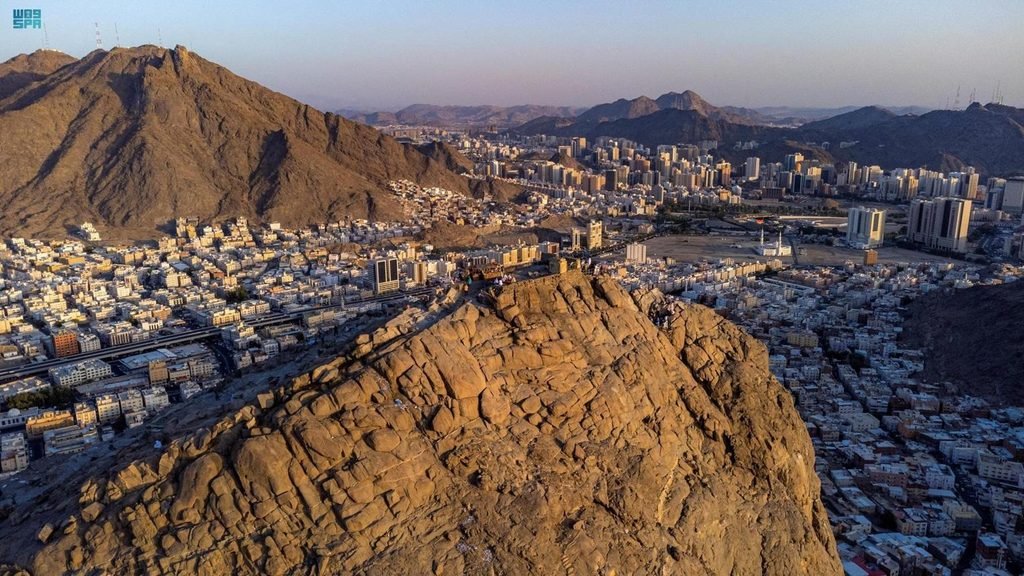
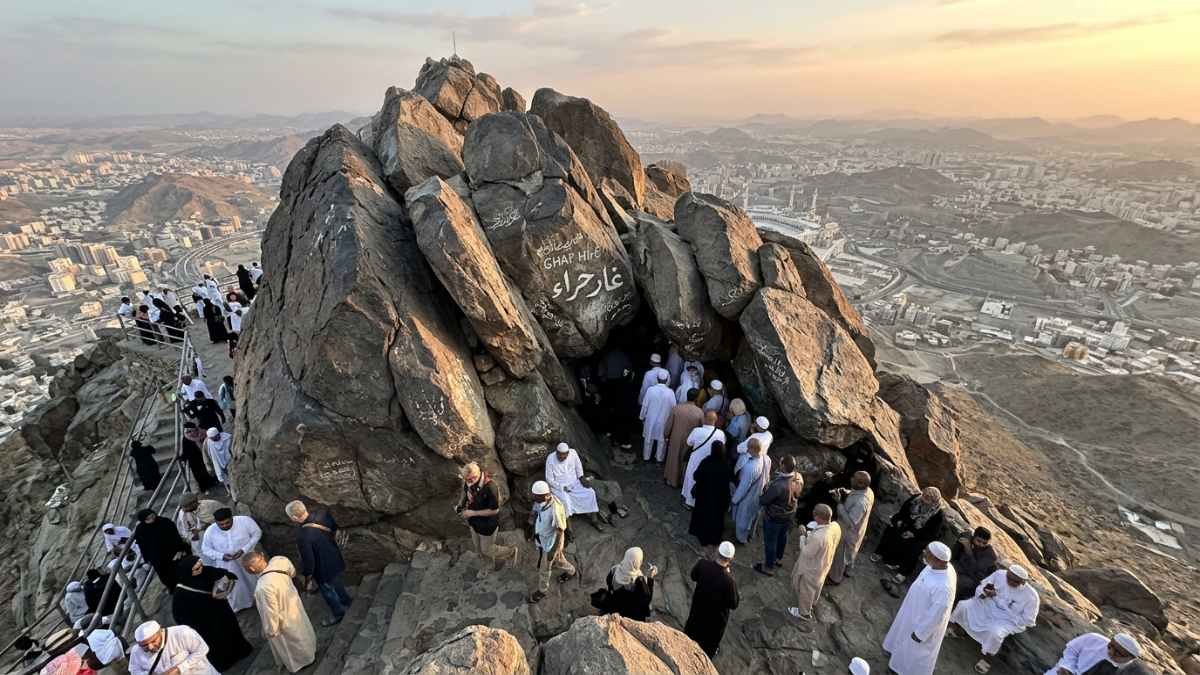
Cave Hira, also known as Ghar Hira, is one of the best-known historical sites near Makkah. It’s located on Jabal al-Noor, or the Mountain of Light. Islamic tradition links this cave to the first revelation received by Prophet Muhammad (peace be upon him). This event marks an important moment in Islamic history.
Many visitors want to see Cave Hira during their stay in Saudi Arabia. However, it’s important to know that visiting Cave Hira isn’t a Hajj requirement or a recommended act of Hajj. The Saudi Ministry of Hajj and Umrah makes this clear in its visitor guidance.
The Ministry’s page, last updated on 19 October 2026, states that Cave Hira is about 4.8 km from Makkah and that Jabal al-Noor is around 634 metres high. These figures describe the location and mountain, not the time or distance needed for a climb along a particular route.
Reaching the cave can be difficult. The Ministry warns that the climb may be especially hard for older people and those who are sick. Before deciding to go, think about your health, the weather, your fitness, and the needs of anyone travelling with you.
You don’t have to climb the mountain to learn about its history. You could read about the first revelation or look for a suitable way to view the mountain from a distance. Check current local guidance before travelling, as you shouldn’t assume that a particular viewing point is open or easy to reach.
Cave Thawr and Jabal Thawr
Cave Thawr, also called Ghar Thawr, is linked to the Hijrah, the journey Prophet Muhammad (peace be upon him) made from Makkah to Madinah. Islamic historical accounts describe the Prophet and Abu Bakr (may Allah be pleased with him) taking shelter in the cave during this journey.
Today, some visitors include Jabal Thawr in their Makkah ziyarat plans because of its connection to this important event. But visiting the cave is an optional historical trip, not a Hajj rite.
Before planning a climb, consider how much effort it may take. Mountain paths can be tiring, and the right choice depends on your health, the weather, your available time, and the people travelling with you. If you’re visiting with older family members or young children, think carefully about whether the climb is suitable.
You can still learn about the Hijrah without going up the mountain. The importance of this event doesn’t depend on whether you visit the cave in person. If you do plan to go, check current access guidance and avoid relying on unverified claims about exact spots or markers along the route.
Arafat, Jabal al-Rahmah, and Masjid Nimrah
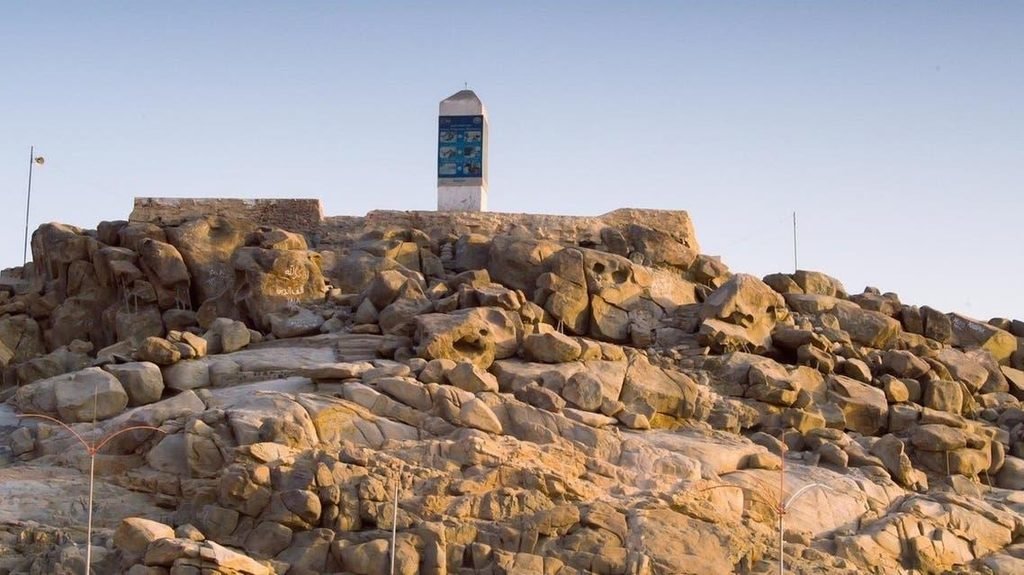
Arafat is one of the most important places in Hajj. Pilgrims gather there for the standing at Arafat, a central rite of the pilgrimage. If you’re learning about Hajj or planning your journey, understanding this point is more important than making a list of nearby landmarks.
Jabal al-Rahmah, also called the Mount of Mercy, is a well-known hill within the Arafat area. Many visitors stop to see it, take photos, or learn about its place in local tradition. However, climbing Jabal al-Rahmah isn’t a replacement for standing at Arafat, and you shouldn’t treat a visit to the hill as a separate requirement for Hajj.
The wider plain of Arafat and the hill are different places. The Hajj rite relates to standing at Arafat within the required time and according to the relevant rules. You don’t need to climb the hill to perform this rite.
Masjid Nimrah, also spelled Masjid Namirah, is another well-known site connected with the Hajj setting at Arafat. Its role and access arrangements can differ depending on the season and pilgrimage operations. Don’t assume that the same visitor rules apply throughout the year.
If you have questions about the rules of standing at Arafat or claims about special rewards for visiting the hill, ask a qualified Islamic scholar or a trusted Hajj guide. This can help you separate the actual requirements of Hajj from optional visits and local traditions.
Mina, the Jamarat, Muzdalifah, and Mash’ar al-Haram
Mina, the Jamarat, and Muzdalifah are closely linked to the Hajj journey. These places aren’t simply sightseeing stops. Each has a specific place in the pilgrimage, and the movements of pilgrims are managed according to the Hajj schedule and official instructions.
Mina is known for its large tent area, where pilgrims stay during parts of Hajj. It’s also connected with the stoning rites carried out at the Jamarat.
The Jamarat is the area where pilgrims perform the stoning rites on the appointed days. Movement through this area is carefully managed during Hajj, so visitors must follow the instructions given by the relevant authorities and their Hajj group.
Muzdalifah is another important part of the Hajj route. Pilgrims travel there after Arafat as part of the prescribed pilgrimage activities. The area is also associated with the night stay during Hajj.
Mash’ar al-Haram is a place associated with Muzdalifah and the Hajj journey. Its name appears in the context of the pilgrimage, so it’s useful to understand it as part of the wider Hajj setting rather than as an ordinary tourist stop.
If you’re travelling during Hajj, follow your official schedule and approved transport arrangements. Access rules, crowd control, and travel plans can change according to current operations. Don’t rely on an ordinary Makkah ziyarat itinerary to decide when or how to visit these places during Hajj.
Jannat al-Mu’alla and Masjid al-Jinn
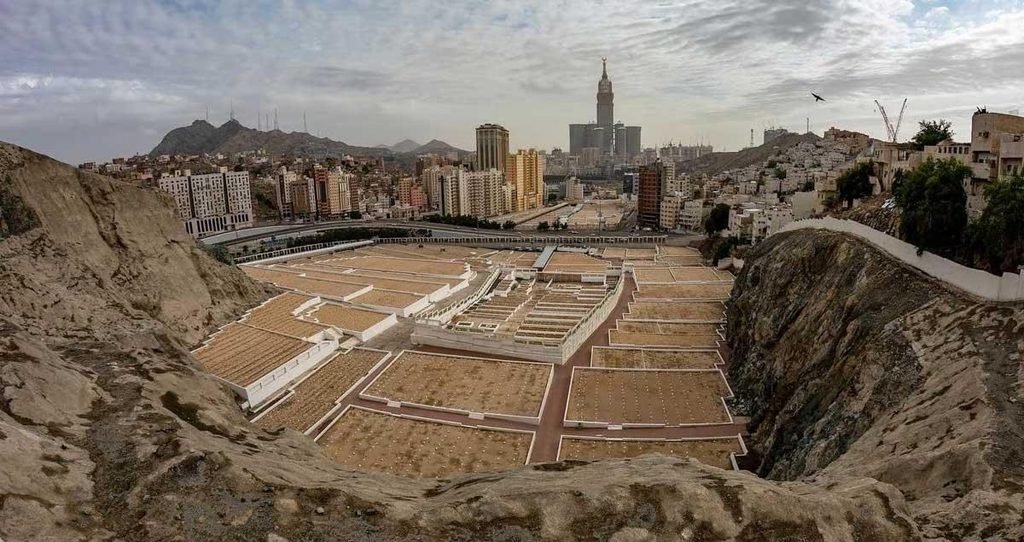
Jannat al-Mu’alla, also known as Al-Hajun, is a historic cemetery in Makkah. It’s associated with the city’s early Muslim history and is known to many people who come to learn about the past. Visitors should approach the site with respect and keep in mind that public access may be limited. Check local guidance before making plans, as entry into the cemetery isn’t guaranteed.
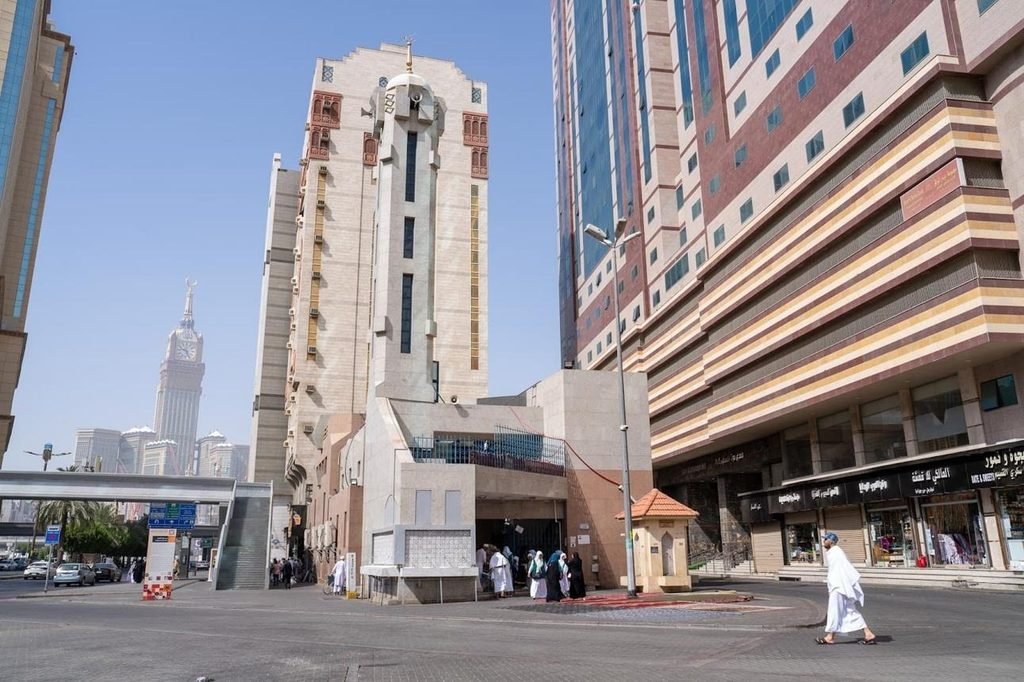
Masjid al-Jinn, or the Mosque of the Jinn, is another site often included in Madinah ziyarat guides. It’s associated with the Islamic account of jinn listening to the Qur’an recited by Prophet Muhammad (peace be upon him).
The mosque is an optional historical visit, not a Hajj requirement. If you’re interested in visiting, check the current route and access arrangements before setting out.
Both places offer a chance to learn more about the history and traditions associated with Makkah. Still, it’s best to understand the story behind each site rather than assuming every claim found in a visitor guide has the same level of historical support.
The Prophet’s Birthplace Location, Shi’b Abi Talib, and Hira Cultural District
Makkah has several places linked to the early life of Prophet Muhammad (peace be upon him) and the history of Islam. Some appear in ziyarat guides because of their historical importance. However, a place mentioned in a historical account isn’t always an official visitor attraction, and access may be limited.
The Prophet’s Birthplace Location
The traditional birthplace of Prophet Muhammad (peace be upon him) is associated with a location in Makkah. Many visitors are interested in learning about this place because of its connection to the Prophet’s early life.
It’s helpful to separate the historical account from the question of visiting the site today. Its traditional identification doesn’t mean that it functions as a regular religious site or that visitors can always enter. If you’re interested in seeing the area, check current local guidance before adding it to your Makkah ziyarat plan.
You can also learn about the Prophet’s early life through trusted Islamic history books and reliable guides. You don’t need to visit a particular location to understand its place in Islamic history.
Shi’b Abi Talib
Shi’b Abi Talib, also written as Shi’b Abi Talib, is associated with an important period in early Islamic history. Islamic historical accounts describe how the Prophet (peace be upon him), his family, and early Muslims faced a boycott in Makkah.
The name is often included in guides to historic places in Makkah because of its connection to these events. However, a historical location and a confirmed visitor attraction are two different things. Don’t assume that the exact area is clearly marked or open for visitors today.
If you want to learn more about Shi’b Abi Talib, focus on the events linked to it and their place in early Islamic history. Check local information if you plan to visit the area in person.
Hira Cultural District
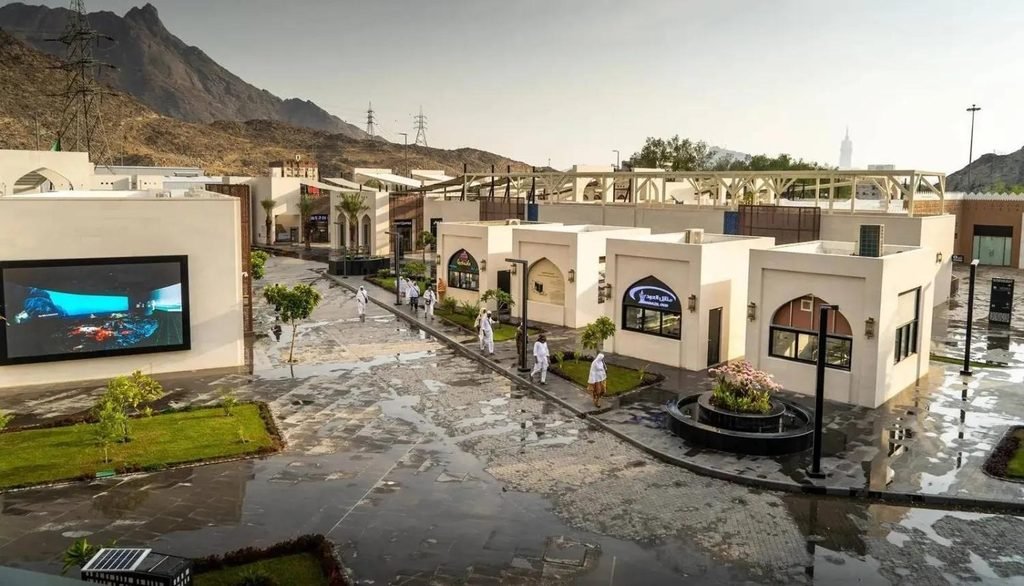
Hira Cultural District is a visitor destination associated with the Jabal al-Noor area near Cave Hira. It offers another way to explore the history connected with this part of Makkah without assuming that a climb to the cave is suitable for everyone.
If you’re interested in the first revelation and the history of Cave Hira, this area may be worth considering. Before travelling, check current opening times, admission details, transport options, and visitor access. These details can change, so it’s best not to rely on an old visitor guide alone.
These three places show why Makkah ziyarat guides include more than mosques and well-known landmarks. They also point to locations connected with important events in Islamic history. Learning about their background can be valuable even if you decide not to visit them.
Inner-Haram Landmarks
The area inside Masjid al-Haram contains some of the most important landmarks in Islam. These include the Kaaba, Maqam Ibrahim, Zamzam Well, and the hills of Safa and Marwah.
Understanding their meaning can help you make the most of your time in the Grand Mosque. They’re best understood as part of the same sacred setting, rather than as separate sightseeing stops.
The Kaaba
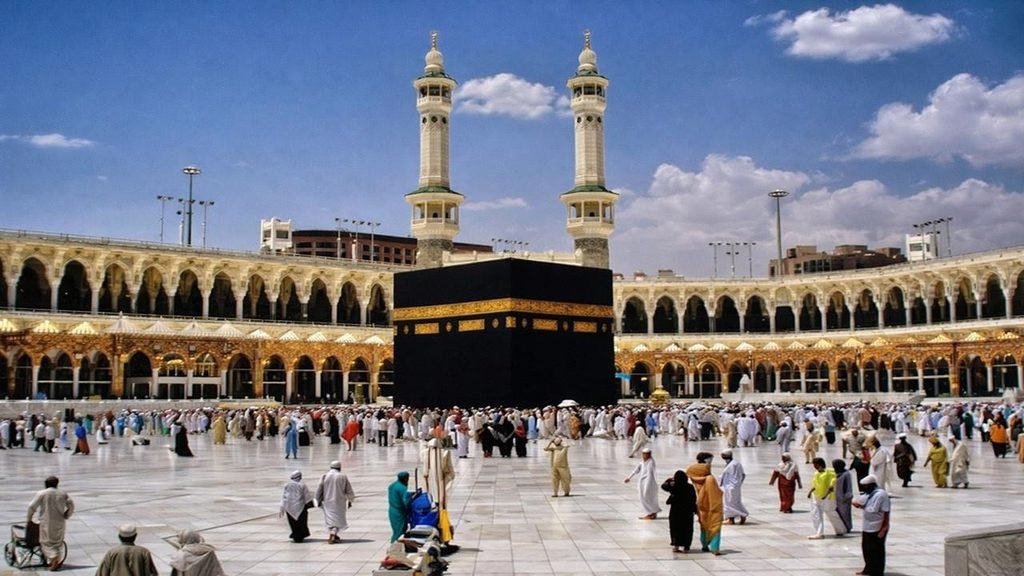
The Kaaba stands at the centre of Masjid al-Haram in Makkah. Muslims around the world face it during their daily prayers. During Umrah and Hajj, pilgrims perform tawaf by walking around the Kaaba as part of the required rites.
For many visitors, seeing the Kaaba is a deeply meaningful moment. If you’re visiting with family, allow time to move at a comfortable pace and follow the mosque’s current guidance on movement and crowd control.
Maqam Ibrahim
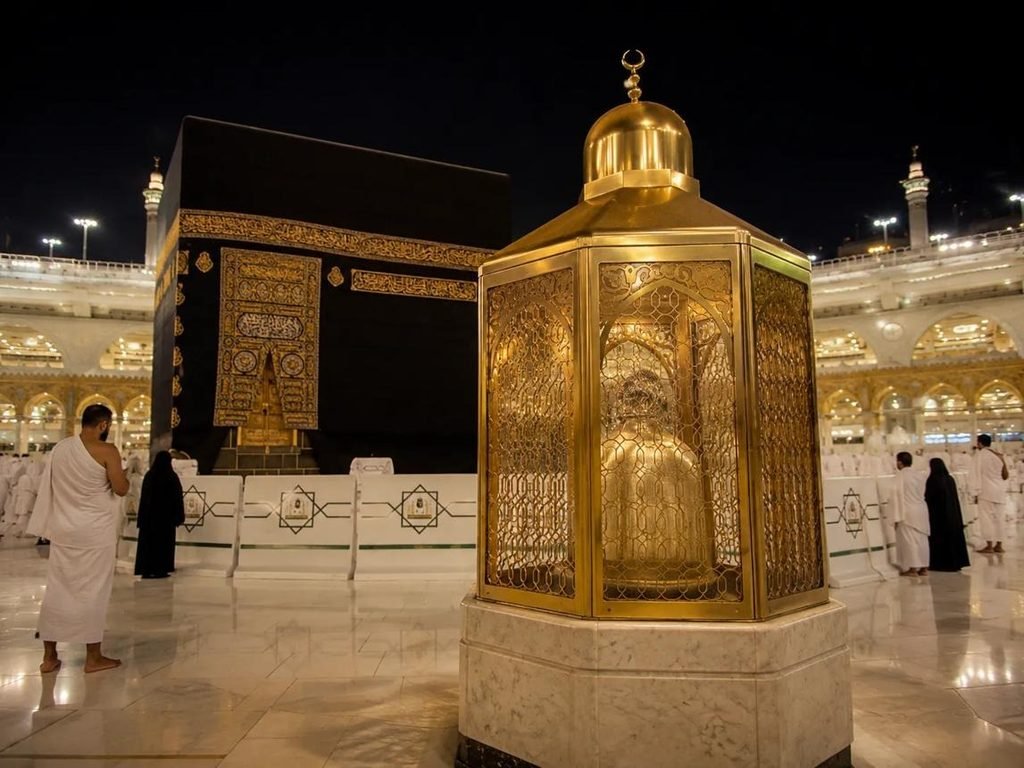
Maqam Ibrahim is a well-known landmark within Masjid al-Haram. Islamic tradition connects it with Prophet Ibrahim (peace be upon him). The site has a place in the worship performed around the Kaaba.
When visiting, follow the current mosque instructions and avoid blocking the paths of other worshippers. If you’re unsure about a particular act of worship or its rules, ask a qualified scholar rather than relying on an informal visitor tip.
Zamzam Well
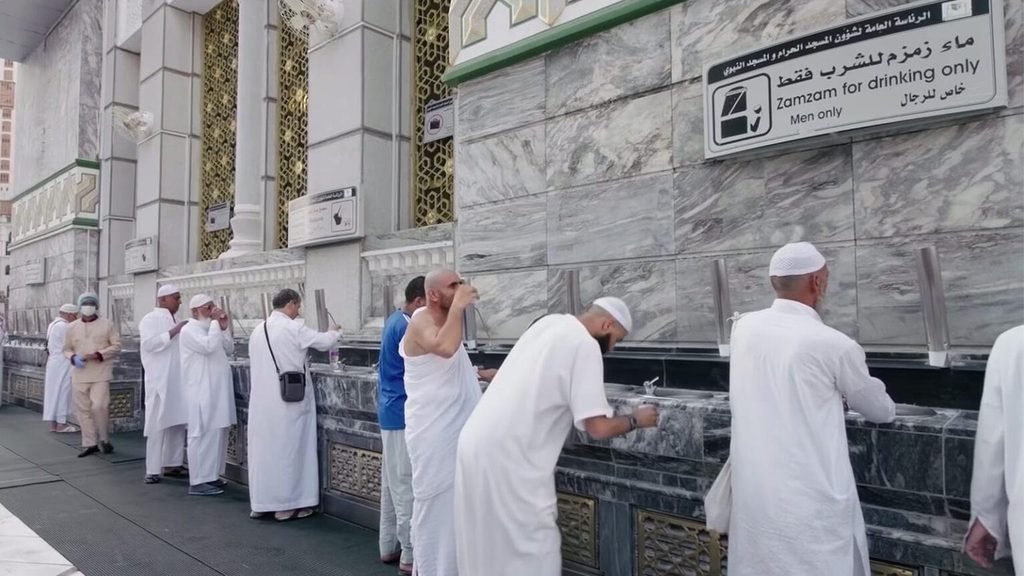
Zamzam is the name of the famous water associated with Masjid al-Haram. Zamzam water holds a special place in Islamic tradition, and many pilgrims make time to drink it during their visit.
You’ll find Zamzam water facilities in the mosque area, but their locations and arrangements may vary. Follow the signs and use the available facilities without blocking busy walkways.
Safa and Marwah
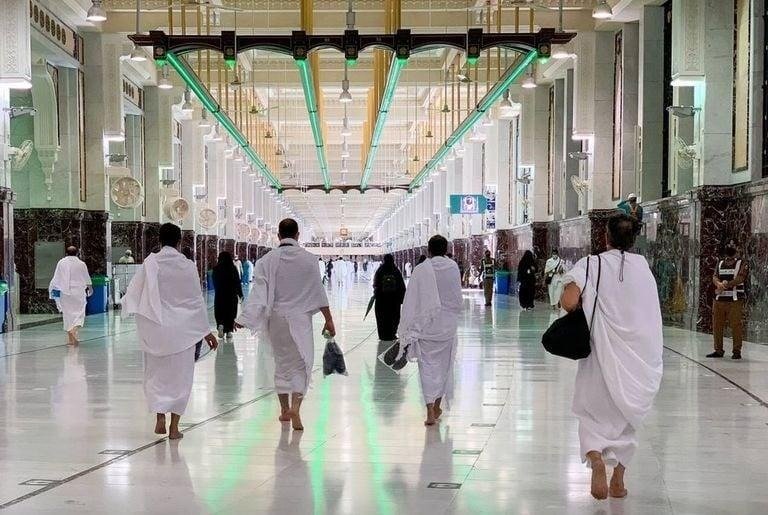
Safa and Marwah are two landmarks inside the Masjid al-Haram complex. They’re linked to sa’i, the act of walking between the two during Hajj or Umrah.
The route is part of the pilgrimage rites, not simply a sightseeing path. If you’re performing Umrah or Hajj, follow the instructions provided by your guide or a trusted religious authority. If you have mobility needs, check the current facilities and available assistance before starting.
Because these four landmarks are within the same Grand Mosque setting, you don’t need to plan four separate trips to see them. Instead, plan your time around prayer, crowd levels, your group’s mobility, and the worship you intend to perform.
Plan a Visit That Fits Your Group
A good Makkah ziyarat plan doesn’t need to include every famous place. It should match your purpose, available time, health, and travel companions. Choosing a few suitable stops can make the day easier and leave you more time to rest and worship.
Choose Your Main Purpose First
Before choosing where to go, decide what you’d most like to learn about or experience.
- Hajj context: Learn about Arafat, Mina, and Muzdalifah in relation to the Hajj rites. During Hajj, follow official instructions and your approved schedule.
- Early Islamic history: Explore the stories linked to Cave Hira, Cave Thawr, and other historical locations. Don’t assume that climbing a mountain is necessary or suitable.
- Nearby landmarks: Focus on the inner-Haram landmarks or other places that fit your location, mobility, and available time.
Once you’ve chosen your main purpose, remove any stop that doesn’t suit your group. Think about the oldest or least mobile person travelling with you, not just the person who can walk the farthest.
Choose an Itinerary That Matches Your Needs
Use this simple guide to decide which type of visit may suit your group.
Makkah Ziyarat Planner
Choose your needs to get a practical starting point. Check routes and access before travelling.
1. How much time do you have?
Under 2 hours
About 3 hours
Half a day
2. What mobility needs should you consider?
Low exertion needed, including older visitors
Comfortable with ordinary walking
Mountain walking may be possible for our group
3. What’s your main interest?
Understanding Hajj locations
Early Islamic history
Grand Mosque landmarks
Build my suggested plan
Here are three ways to use the results when making your plans:
- Short visit: Focus on the inner-Haram landmarks or one nearby place with confirmed access. Avoid trying to fit too many stops into a short window.
- History-focused outing: Choose one or two historical locations that match your group’s energy. A mountain climb shouldn’t be the default choice.
- Low-exertion day: Leave strenuous climbs out of the plan. Choose suitable stops, allow time to rest, and confirm transport and access for that day.
These are planning ideas, not fixed itineraries. Travel time, access rules, and crowd conditions can affect what you can reasonably do.
Example: A Family Adjusts Its Plan
Imagine a family planning a three-hour outing in Makkah. One family member is older, and everyone wants to learn more about Islamic history.
At first, they consider climbing to Cave Hira. Before leaving, they read the Saudi Ministry of Hajj and Umrah’s guidance, which warns that reaching the cave can be difficult, especially for older and sick visitors. They decide not to climb.
Instead, they consider the inner-Haram landmarks if their starting point and mobility needs make that practical. They may also consider viewing Jabal al-Noor from a suitable place, but only if current local conditions allow it.
The family sets aside three 30-minute blocks for planned stops and 30 minutes in total for transitions and unexpected delays. That uses 120 minutes, leaving 60 minutes for rest or changes to the plan.
These times are planning assumptions, not travel estimates or a promise that a location will be accessible. The important part is that the family has room to adjust without putting pressure on the older traveler.
Keep Your Day Realistic
A few simple steps can make your Makkah ziyarat trip easier to manage.
- Allow time for rest: Heat, walking, prayer, and crowds can make a day more tiring than expected.
- Check routes before leaving: Use a current map application with your actual starting point. Travel estimates can change with traffic and access restrictions.
- Save your plan offline: Keep the place names, alternate spellings, purpose of each stop, transport details, rest breaks, and backup options in one place.
- Agree on a meeting point: Choose a clear meeting place in case your group gets separated. Follow local instructions in crowded areas.
- Keep one stop optional: If someone gets tired or access changes, you can skip it without disrupting the whole day.
Expert tip: A shorter itinerary that everyone can manage is often more useful than a long list of places. Your plan should support your visit, not turn it into a race.
Names, Sources, and Current Information
When planning Makkah ziyarat, you may notice that the same place has different names or spellings in travel guides. Knowing these names can make it easier to find the right location on a map and understand what you’re reading.
For example, Cave Hira is also called Ghar Hira, and Jabal al-Noor is sometimes written as Jabal al-Nour. Cave Thawr is also known as Ghar Thawr. Jannat al-Mu’alla is linked with the name Al-Hajun, while Masjid Nimrah is also spelled Masjid Namirah.
Throughout this guide, we’ve used one main spelling for each place and included common alternatives where useful. When searching for directions, try the alternate spelling if the first search doesn’t show the location you need.
Check Reliable Sources Before Your Visit
Not every place mentioned in a Makkah ziyarat guide is a Hajj requirement or an officially managed visitor attraction. Some places are linked to religious events, while others are known through historical accounts or local traditions. It’s important to understand these differences before planning your trip.
For information about Cave Hira, start with the Saudi Ministry of Hajj and Umrah’s official guide:
The Ministry’s page, listed as last updated on 19 October 2026, states that Cave Hira is about 4.8 km from Makkah and that Jabal al-Noor is around 634 metres high. These figures belong to the Ministry’s description. They shouldn’t be treated as a guaranteed road distance, walking route, or travel time.
The Ministry also warns that reaching Cave Hira is difficult, particularly for older people and those who are sick. It explains that visiting the cave isn’t a Hajj requirement or a recommended Hajj act.
For current pilgrimage information and services, you can also start with the official Nusuk platform. Not every historical site requires a Nusuk booking, so check the rules for the specific service or location you’re planning to use.
Make Route and Access Checks Part of Your Plan
Visitor arrangements can change during Hajj, Ramadan, and other busy periods. A place shown in an older article may have different access rules when you arrive.
Before leaving your hotel or accommodation:
- Check current official guidance for your travel date.
- Use a current map application to check the route from your actual starting point.
- Confirm access and transport arrangements before adding a site to your plan.
- Save an offline or printed itinerary with place names, the reason for each visit, transport details, mobility needs, rest breaks, and a backup option.
Map estimates can change with traffic, road closures, and local restrictions. Treat them as a guide, not a promise of arrival time.
Expert tip: If you’re unsure whether a visit or action is part of Hajj or Umrah, ask a qualified Islamic scholar or a trusted pilgrimage guide. This is especially important when a claim involves ritual validity, special religious rewards, or disputed practices.
Frequently Asked Questions About Makkah Ziyarat Places
Are Makkah ziyarat places required for Hajj or Umrah?
No. Visiting historical sites and landmarks isn’t the same as performing the required rites of Hajj or Umrah. Some locations are directly linked to the pilgrimage, while others are optional historical visits. The Saudi Ministry of Hajj and Umrah states that visiting Cave Hira isn’t a Hajj requirement or a recommended Hajj act. For specific religious rulings, consult a qualified scholar.
Is visiting Jabal al-Rahmah the same as standing at Arafat?
No. Standing at Arafat is a Hajj rite. Jabal al-Rahmah, also called the Mount of Mercy, is a hill within the Arafat area. Visiting or climbing the hill doesn’t replace the rite of standing at Arafat. Follow your official Hajj schedule and ask a qualified guide if you’re unsure about the rules.
Should older or sick visitors climb to Cave Hira?
The decision depends on each person’s health and ability, but the climb shouldn’t be treated as something every pilgrim must do. The Saudi Ministry of Hajj and Umrah warns that reaching the cave is difficult, especially for older people and those who are sick. Since the visit isn’t a Hajj requirement or recommended Hajj act, it’s reasonable to consider a lower-exertion option and follow current local guidance.
How far is Cave Hira from Makkah?
The Saudi Ministry of Hajj and Umrah describes Cave Hira as about 4.8 km from Makkah. Other travel pages give different distances, including 4.5 km and around 3.2 km, but they don’t establish the same starting point or method of measurement. For this reason, don’t treat these figures as guaranteed travel distances. Check a current map for your starting point and intended route.
Are Makkah ziyarat places open and accessible to visitors?
Not always. Access can depend on the location, season, safety rules, and Hajj operations. Some historical places may have limited access, and an online listing doesn’t guarantee entry. Check current official guidance and transport information before travelling. If a place is inaccessible, choose another suitable stop rather than risking an unsafe journey or disrupting your plans.
Conclusion
Makkah has many places connected with Hajj, the life of Prophet Muhammad (peace be upon him), and the early history of Islam. Understanding the difference between Hajj rites, optional historical visits, and nearby landmarks can help you plan a more meaningful trip.
You don’t need to visit every place on a ziyarat list. Choose a few locations that match your interests, available time, health, and travel companions. If you’re travelling with older family members or anyone with limited mobility, make comfort and safety part of the plan from the start.
Before you set out, check official guidance, confirm routes and access for your travel date, and save a flexible itinerary with time for prayer and rest. For questions about religious rulings or the validity of Hajj and Umrah, speak with a qualified scholar or trusted pilgrimage guide.